Strategy

Strategy

Your 2027 CBAM liability is higher than you think

Oct 11, 2025
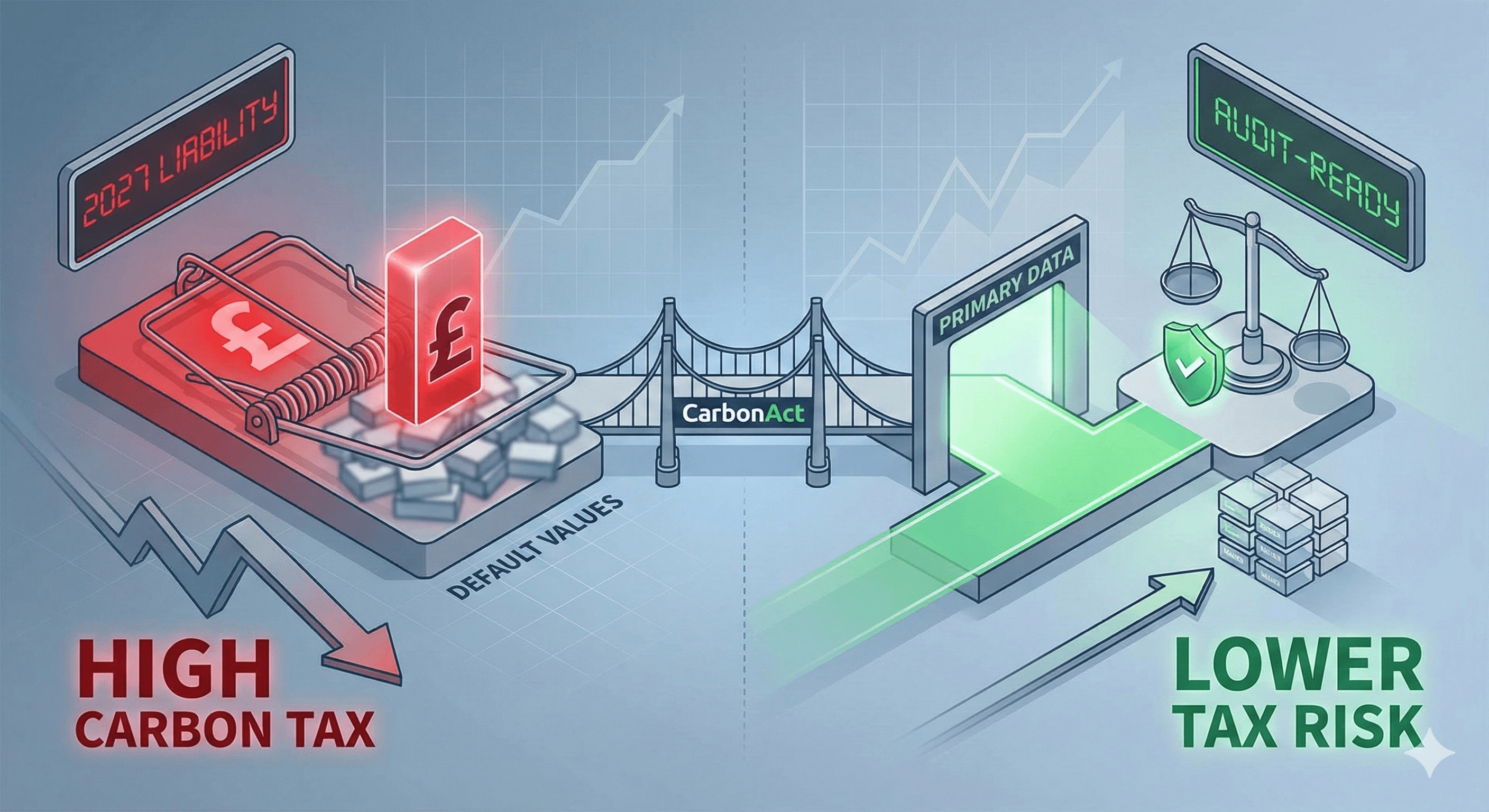
As we stand in late 2025, most corporate sustainability strategies are focused on long-term 2030 Net Zero targets. However, for UK manufacturing and construction firms, a much sharper financial deadline is approaching: January 1, 2027.

This is the implementation date for the UK Carbon Border Adjustment Mechanism (CBAM). While often discussed as a "green initiative," CBAM is, in reality, a complex import tariff. It imposes a carbon levy on imports of steel, aluminium, fertiliser, cement, hydrogen, and ceramics.

Crucially, the mechanism for calculating this tax contains a hidden trap for the unprepared: The Default Value.

The Mechanics of the Trap To pay the correct carbon levy, an importer must declare the verified "embedded emissions" of their specific goods. This requires primary data from the supplier—for example, the exact emissions intensity of a particular smelter in India or a blast furnace in Turkey.

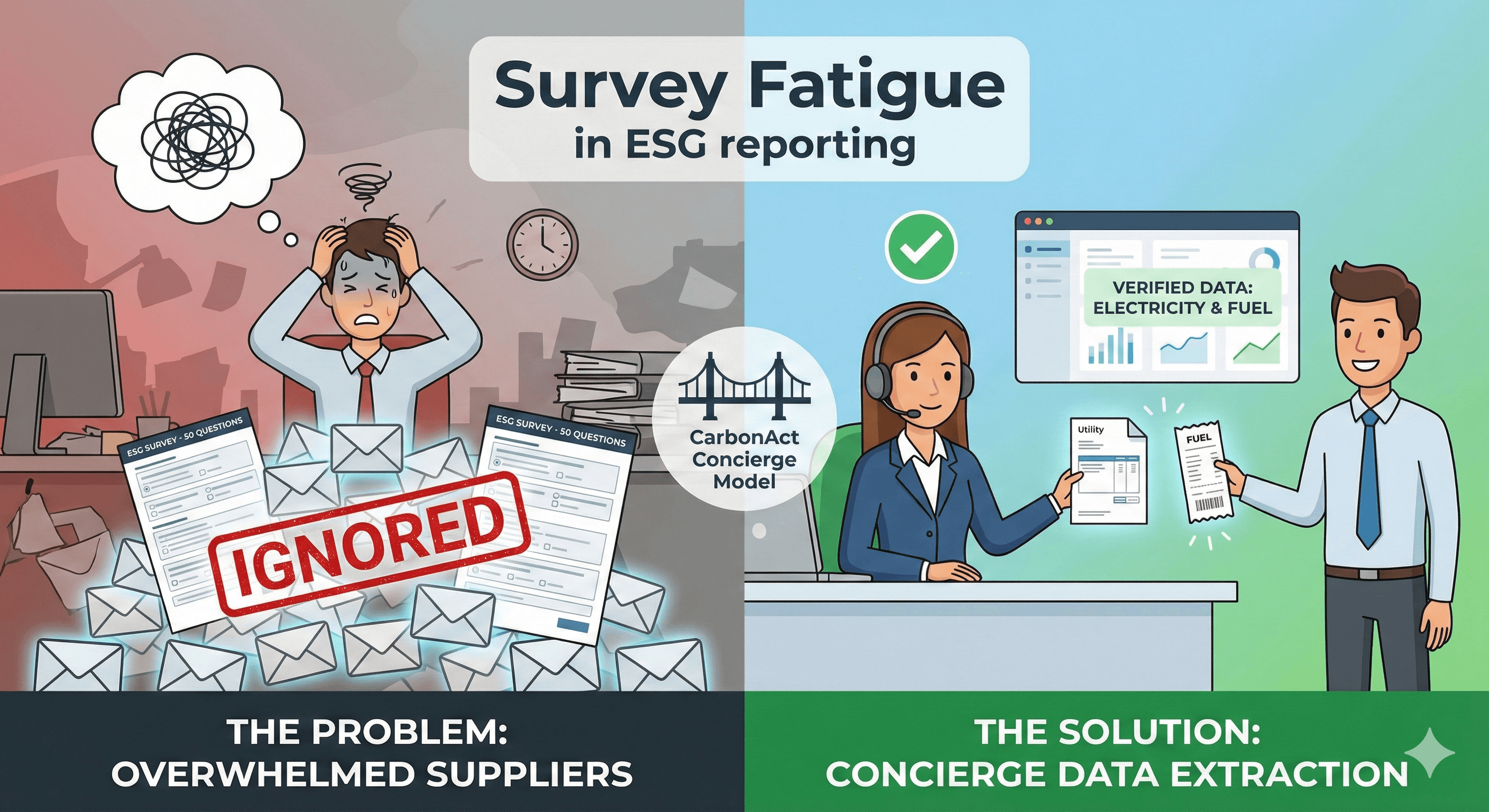
However, most UK supply chains are opaque. Procurement teams often lack this granular data. The UK Government anticipates this and has built a fail-safe: If you cannot prove your actual emissions, you will be taxed on a "Default Value."

The Economics of Inaction: Default values are punitive by design. Following the EU CBAM precedent, default values are typically set to the emissions intensity of the worst-performing 10% of producers in the exporting country.

In simple terms: If you don't know the number, the Government assumes you bought the dirtiest material on the market.

Let’s look at the math for a hypothetical UK importer bringing in 10,000 tonnes of aluminium:

  • Scenario A: The "Primary Data" Approach.
    You engage your supplier and verify they use hydroelectric power.

    • Verified Intensity: 4.0 tonnes CO2e / tonne.

    • Taxable Carbon: 40,000 tonnes.

    • Result: You pay the fair market rate.

  • Scenario B: The "Default Value" Approach.
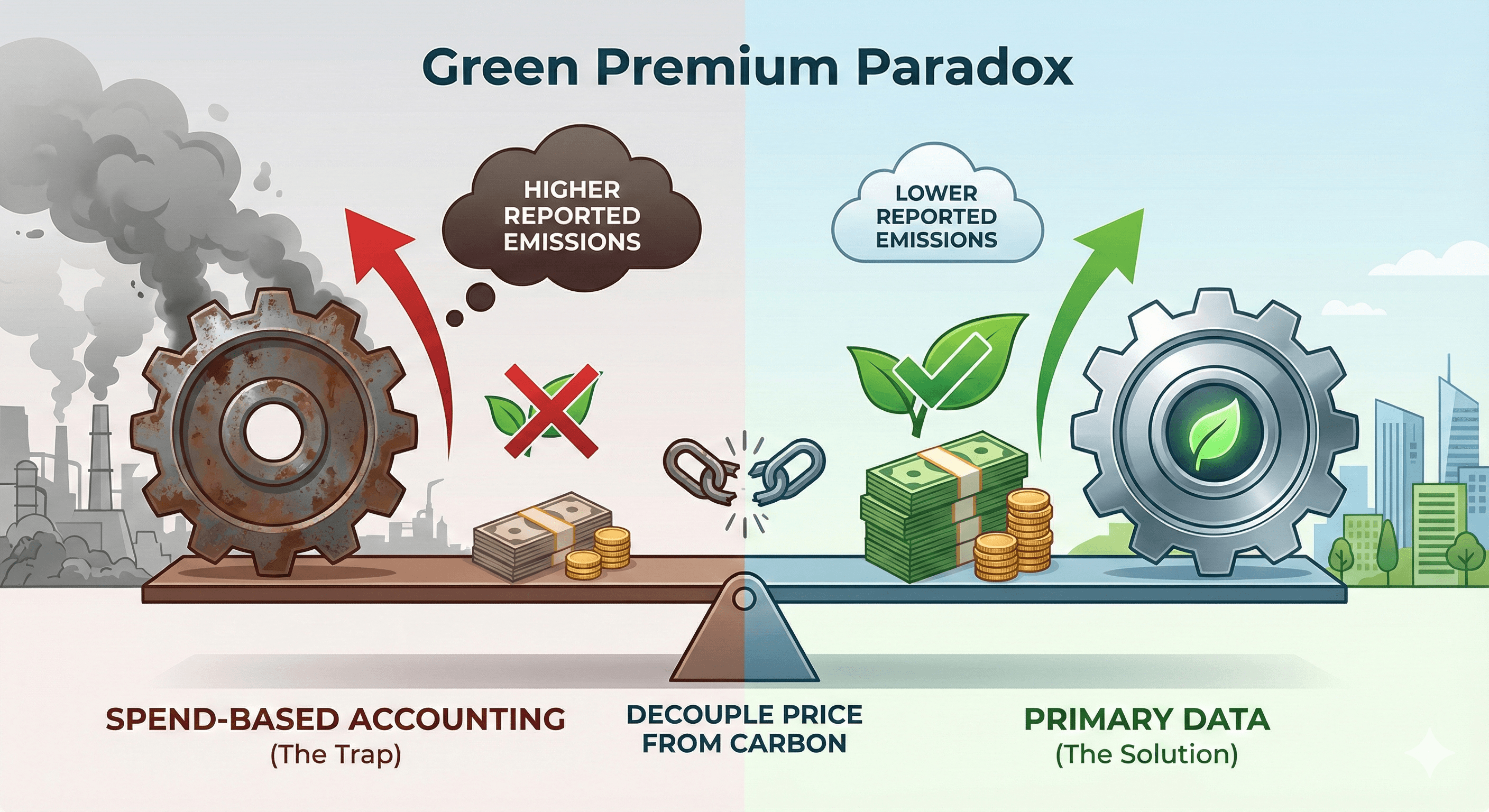
    You rely on spend-based estimates or have no data. The Default Value is applied (assuming coal-fired production).

    • Default Intensity: 16.0 tonnes CO2e / tonne.

    • Taxable Carbon: 160,000 tonnes.

    • Result: Your tax liability quadruples.

The Solution: Data as a Tax Shield. The difference between paying £3 million in tax and £12 million in tax is purely down to paperwork.

To avoid this liability, the Procurement and Finance teams must shift their focus immediately. You have 12 months to transition your top 20 suppliers from "Estimates" to "Actuals." This is not a sustainability exercise; it is a tax mitigation strategy. At CarbonAct, we specialise in extracting this audit-ready primary data to ensure you never pay more than your fair share.

Secure Your Margins Before 2027.

Don't let supply chain data gaps turn into tax liabilities. Establish your audit-ready primary data baseline today and shield your business from punitive "Default Value" tariffs.

Close-up of a dark green leaf showing its textured surface and central vein against a muted background.
Smiling young woman with long hair standing against a dark green background, holding a finger to her chin.
Close-up of a dark green leaf showing its textured surface and central vein against a muted background.
A smiling woman with her arms crossed, standing against a dark green background. She has long, dark hair.
Close-up of a dark green leaf showing its textured surface and central vein against a muted background.
Smiling young man with short hair poses against a dark background, wearing a green button-up shirt.
Close-up of a tree stump showing growth rings and a textured brown wood surface.
A smiling young man with crossed arms, wearing a plaid shirt and white t-shirt, poses against a dark background.
Close-up of a tree stump showing growth rings and a textured brown wood surface.

Secure Your Margins Before 2027.

Don't let supply chain data gaps turn into tax liabilities. Establish your audit-ready primary data baseline today and shield your business from punitive "Default Value" tariffs.

Close-up of a dark green leaf showing its textured surface and central vein against a muted background.
Smiling young woman with long hair standing against a dark green background, holding a finger to her chin.
Close-up of a dark green leaf showing its textured surface and central vein against a muted background.
A smiling woman with her arms crossed, standing against a dark green background. She has long, dark hair.
Close-up of a dark green leaf showing its textured surface and central vein against a muted background.
Smiling young man with short hair poses against a dark background, wearing a green button-up shirt.
Close-up of a tree stump showing growth rings and a textured brown wood surface.
A smiling young man with crossed arms, wearing a plaid shirt and white t-shirt, poses against a dark background.
Close-up of a tree stump showing growth rings and a textured brown wood surface.

Secure Your Margins Before 2027.

Don't let supply chain data gaps turn into tax liabilities. Establish your audit-ready primary data baseline today and shield your business from punitive "Default Value" tariffs.

Close-up of a dark green leaf showing its textured surface and central vein against a muted background.
Smiling young woman with long hair standing against a dark green background, holding a finger to her chin.
Close-up of a dark green leaf showing its textured surface and central vein against a muted background.
A smiling woman with her arms crossed, standing against a dark green background. She has long, dark hair.
Close-up of a dark green leaf showing its textured surface and central vein against a muted background.
Smiling young man with short hair poses against a dark background, wearing a green button-up shirt.
Close-up of a tree stump showing growth rings and a textured brown wood surface.
A smiling young man with crossed arms, wearing a plaid shirt and white t-shirt, poses against a dark background.
Close-up of a tree stump showing growth rings and a textured brown wood surface.